By Dylan Warnick
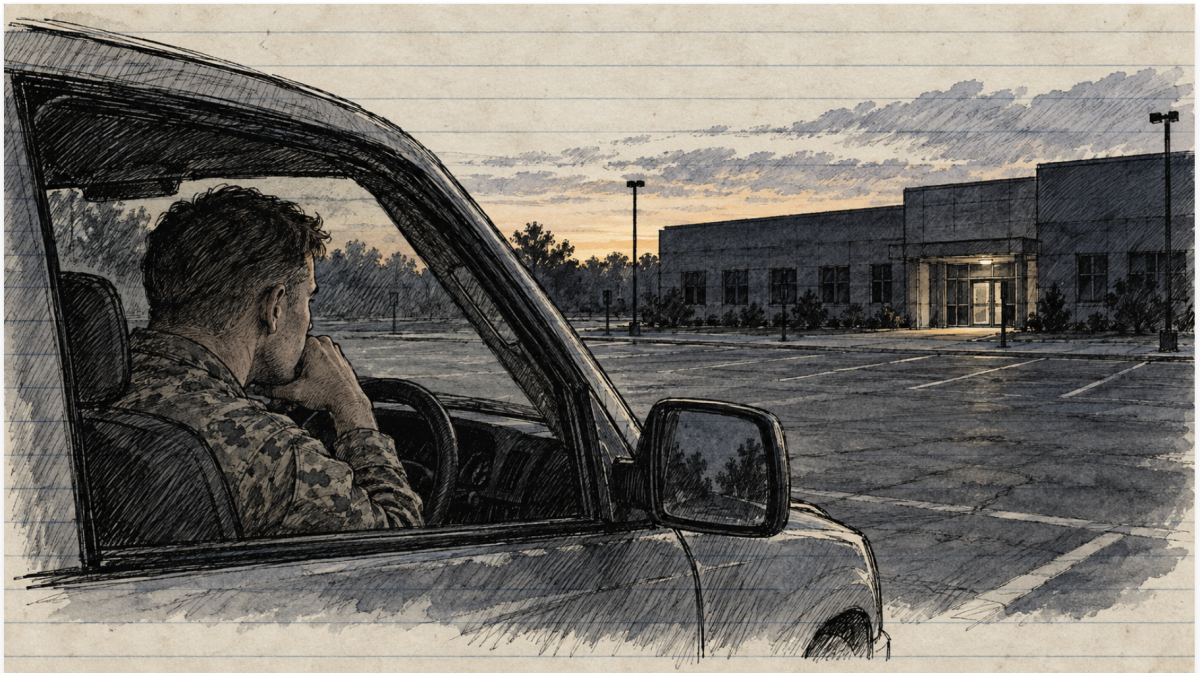
Sitting in my car in the office parking lot at 0500 while on leave, a simple but striking thought hits me: I’m actively failing. It’s rare that we get this realization in the moment of failure; usually it arrives after the fact, but today I’m lucky. I’m failing myself, my family, my team, and my Marines by not protecting my leave. Leave is more than an opportunity to relax; it’s necessary to maintain our high level of readiness over an extended career.
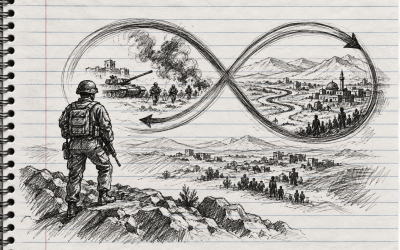
Burnout is a term thrown around a lot these days, but it just names something we already know. Burnout is analogous to culmination. Culmination is the point at which a force can no longer continue forward movement in the offensive, or when continued offensive action becomes counterproductive. Leave lets us mentally and emotionally relax, rebuild our energy and focus, and then transition back ready to be productive. It’s not about skipping work; it’s about being more effective at work.
Leave is also about the people we care about most. It’s about prioritizing the people we share our lives with and who count on us: our families. Leave lets us reinvest time in relationships strained by long hours in the office, in the field, or on deployment. It is important to let our spouses, our kids, our parents, whoever they may be, know that we love them and that they are important to us. As I sat in the car that morning, my wife, my sons, and my father were asleep at home. I would miss breakfast; I would miss getting my kids ready for school, and I would miss spending time with my father, who I hadn’t seen in over a year.
The importance of taking leave for our team is easily missed. Many of my best counselings have come from SNCOs and NCOs. As a new company commander, I was eager to put my company first and make sure I was always available. This frequently meant working while I was on leave. One day, my company operations chief pulled me aside and asked if I trusted him, my executive officer, and the other officers and SNCOs in the company. He said that every time I called, texted, or emailed while on leave, it signaled a lack of trust in these leaders’ ability to make decisions. It hit me hard, but it was right. Our leave communicates so much to our team, whether we realize it or not.
Taking leave can also signal a team’s health. Do those we lead feel comfortable taking leave? Do they feel like they have to work during leave? People will follow their leaders’ example. We have significant power to influence our teams through our actions, demonstrating what we value as leaders and what is expected. By working through leave, we do not demonstrate sacrifice for the team; we demonstrate that putting work above everything else is expected. This is not true prioritization; instead, it emphasizes visible acts of commitment that may cause team members to burn out and neglect their families, while fostering a work environment where they feel they cannot take time off.
While we may sometimes boast about the number of lost leave days at the end of the year as a sign of commitment and hard work, they’re probably better seen as a sign of our shortfall in taking care of ourselves, our families, and our team. Some of the best leaders I’ve had the honor of working with never lost a day of leave. They set an example worth emulating. You could never question these leaders’ commitment or work ethic. They built trust at work and at home. So as we count lost leave days at the end of the fiscal year, it’s time to reflect on what each one of those days means: to our families, our teams, and our future selves.
Dylan is a Marine Intelligence Officer commissioned in 2013. He has experience across the MAGTF, from platoon level to HQMC, primarily in III MEF. He served as company commander for two companies over two and a half years, learning the importance of organizational culture.