By Joe Byerly
Have you ever been in a very stressful situation?
I’m not talking about getting stuck at a red light with two minutes to park and make it to an important meeting stressful.
I mean the kind of stress that feels like you’re surrounded—where pressure’s coming from every direction. Your heart rate spikes. That pit in your stomach is heavy. You feel trapped, helpless, maybe even panicked.
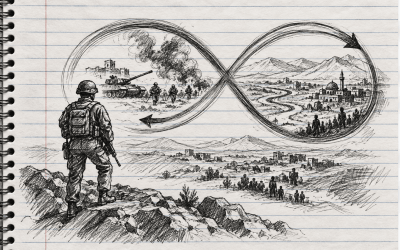
As I type this, I can see the reel playing in my head—scenes from deployments, command, even moments at home. I bet a few come to mind for you too.
And here’s what I’ve realized: Every single one of those moments had something in common—the unknown. I didn’t know where to start. I didn’t know how to respond. And in some cases, I didn’t even know what the hell was happening in the moment.
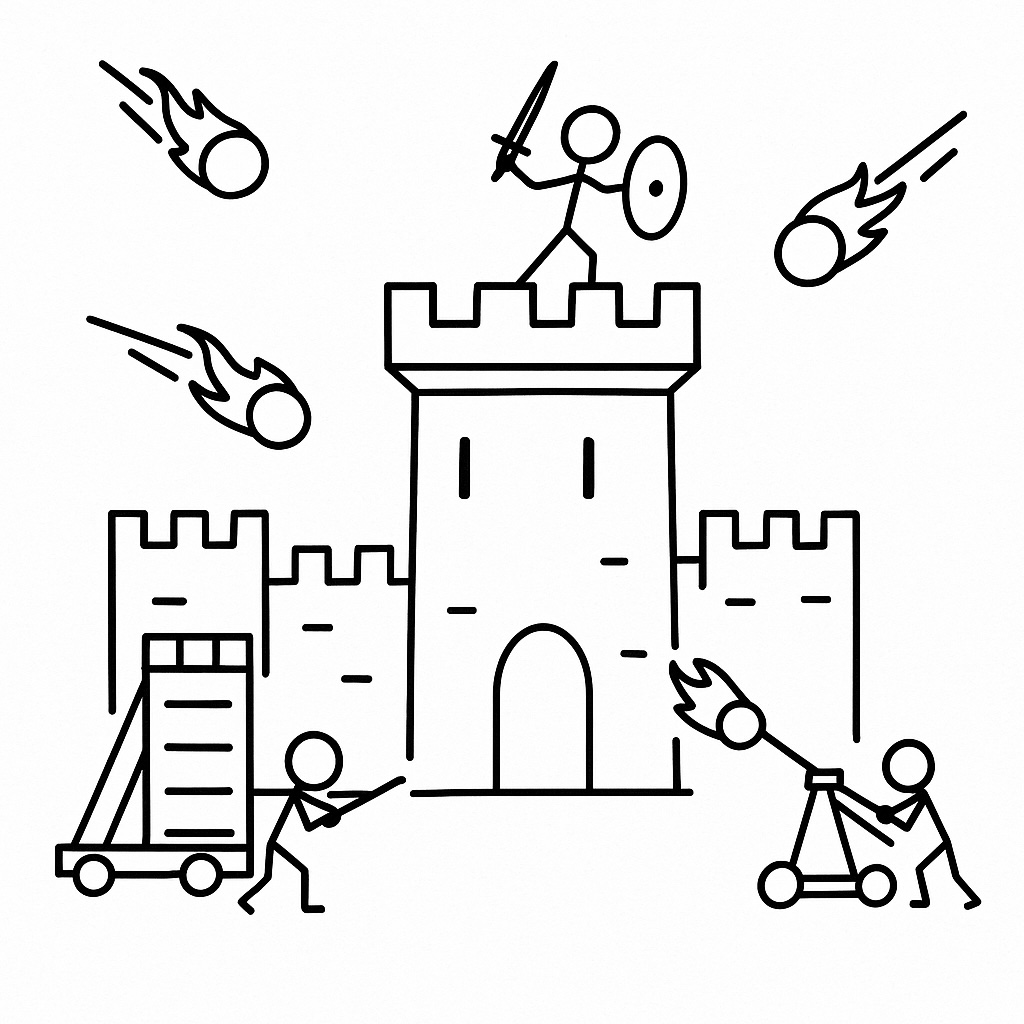
When that kind of stress comes at us, I imagine it like an ancient siege.
The walls are surrounded.
The enemy’s rolling out siege towers and catapults.
Flaming boulders arc over the ramparts.
Inside the keep, people start counting: Grain. Water. Cured meat. Swords. Shields.
Because when the castle is surrounded—what you have in the keep is what you have in the keep.
Can we hold out? Can we break out? Do we have what it takes to survive the storm?
But then there were other moments—times when I should have been stressed… but I wasn’t. It didn’t feel like any of what I just described because I was prepared. I knew where the enemy was lurking. I knew what steps to take. I had seen this play out before.
When the metaphorical castle was surrounded, I didn’t panic. I had a counterattack planned. An escape route mapped. Reserves stocked and ready.
There was an inner knowing that guided me through it.
And I gained that inner knowing through reading.
Books gave me more than just my own experiences to draw from. They armed me with the lessons of people who’ve been there before—whether two decades ago or two thousand years ago. They stocked me up with the ideas, the experiences, and the tactics for when I needed them the most.
Mel Robbins showed me how the self-serving ways in which people can act, and Plutarch showed me how they’ve always acted. Thucydides and Robert Caro taught me about power—and what not to do with it. Marcus Aurelius advised me to wield it responsibly. Ryan Holiday and Steven Pressfield armed me with tools to fight my ego and battle Resistance. Kim Scott taught me how to hold people accountable, while giving and receiving candid feedback. And, Juliet Funt showed me how to create space to think through that feedback.
I could keep going.
Reading didn’t make the situation less difficult. It just made me more ready.
In writing about preparing ourselves to avoid anger, Plutarch put it this way:
“People who anticipate a siege and expect no help from the outside amass all the useful things they can; similarly, it is particularly important for people to gather from far and wide everything philosophy has to offer that will help them combat anger, and to store it up in the mind—because, the time when the need is crucial is also when they will not readily find it possible to introduce such assistance.”
So, if you want to be ready, take the time now and prepare your mind. Read fiction. Read non-fiction. Listen to podcasts. Stock up!
When the siege comes—and it will—what’s in the keep is all you have.
Joe Byerly is a retired U.S. Army Lieutenant Colonel with 20 years of service, including tours in Iraq and Afghanistan, and command of a cavalry squadron in Europe. He earned numerous prestigious awards, including multiple Legion of Merits, Bronze Stars, the Purple Heart, and General Douglas MacArthur Leadership Award. In 2013, Joe founded From the Green Notebook.
A passionate advocate for self-knowledge through reading and reflection, he authored The Leader’s 90-Day Notebook and co-authored My Green Notebook: “Know Thyself” Before Changing Jobs, a resource for leaders seeking greater self-awareness. If this post resonated with you or sparked any questions, feel free to reach out to him at Joe@fromthegreennotebook.com.