By: James J. Torrence
We have an authenticity problem, and everyone knows it. The troops know it. The junior officers know it. The staff officers definitely know it. And deep down, our senior leaders know it too. Everyone sounds the same.
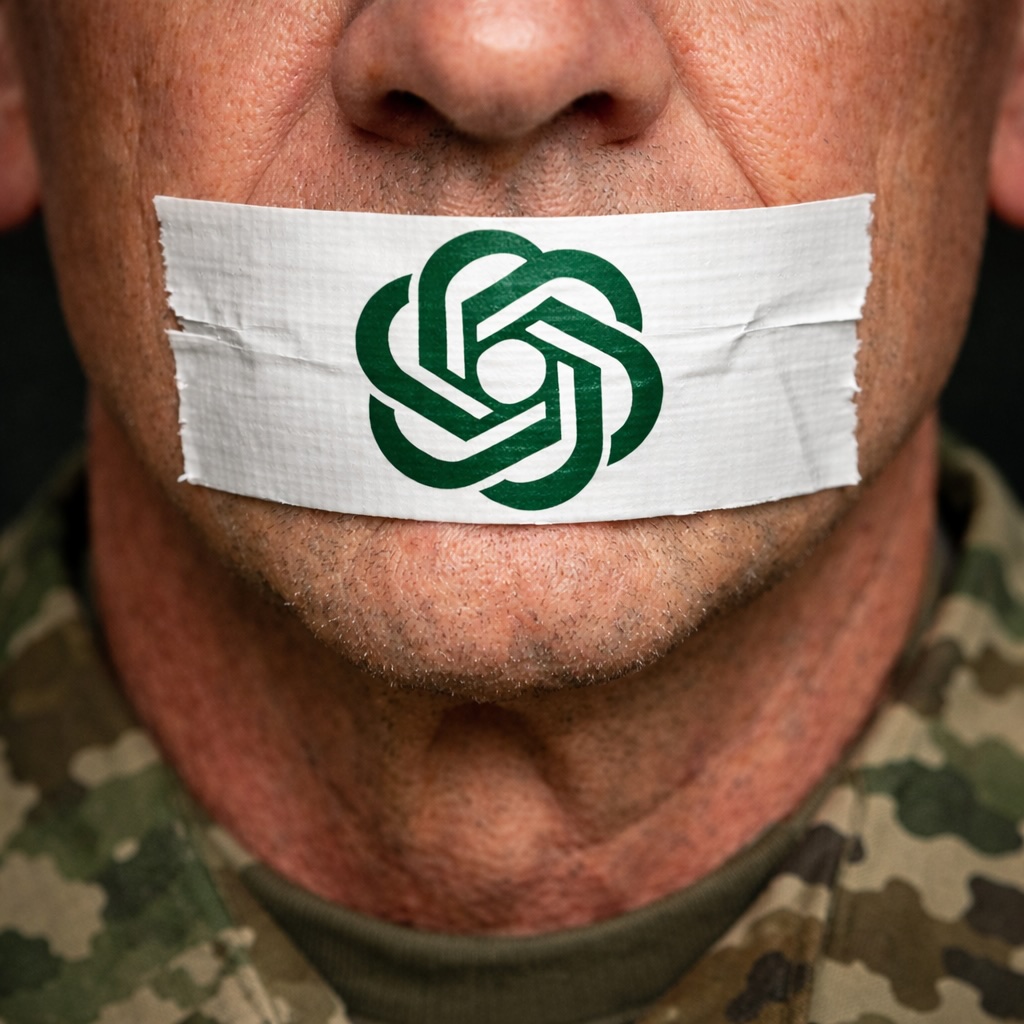
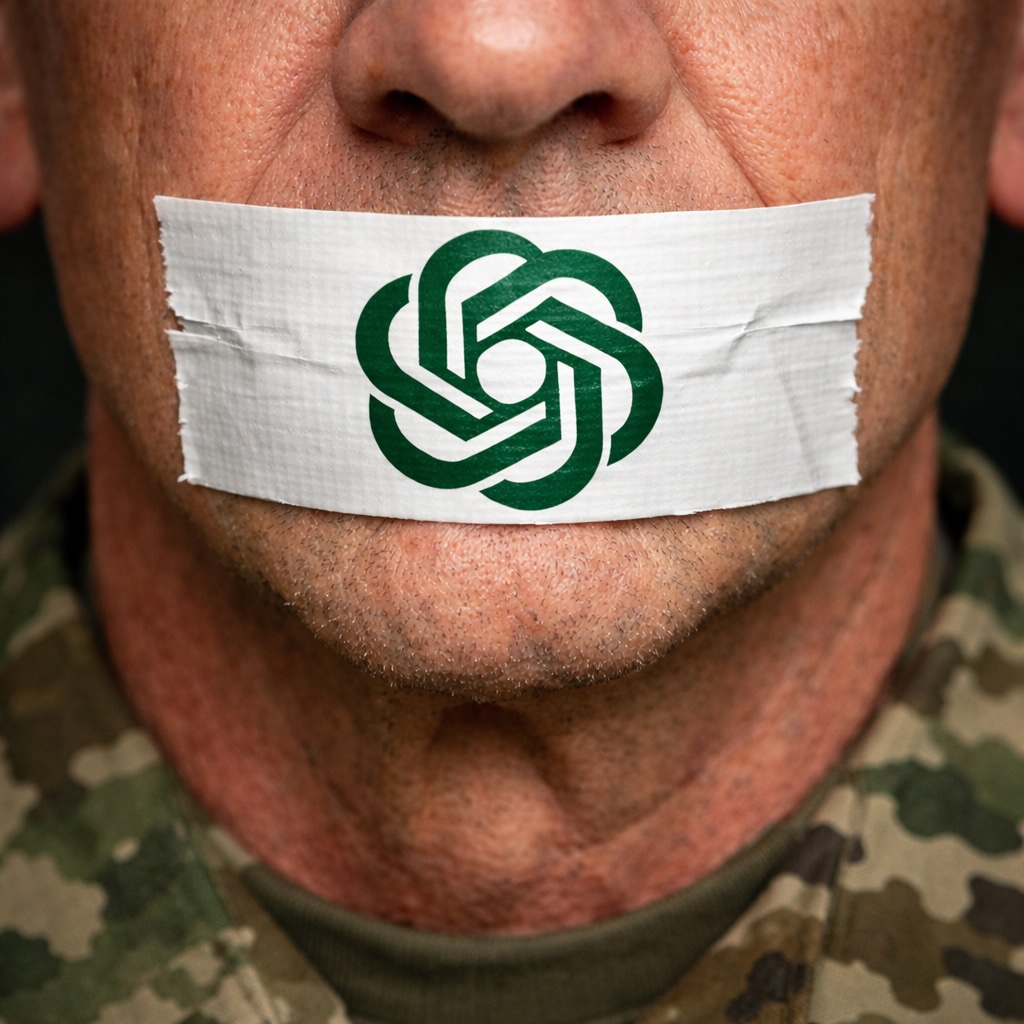
Every inbox across the force is flooded with emails, talking points, op-eds, command messages, and holiday greetings that feel eerily interchangeable. Polished. Safe. Generic. You could strip the signature block and no one would be able to tell who it came from or what echelon wrote it. The reason is obvious. Commanders and staffs are using the same large language models (LLMs) with the same default tone, the same phrasing, and the same cadence.
Troops are not stupid. They know AI when they see it. They know when something was written by a human who cares and when it was generated by a model prompted to sound “professional and inspirational.” Over time, that distinction matters. It creates a credibility gap between senior leaders and the formations they lead.
At this point, I would rather receive nothing than read another AI-generated block of text pushed out under a senior leader’s name. This is not an argument against LLMs. The tools are not going away (nor should we want them to), and pretending we can rewind to 2018 is a waste of energy. This is an argument against laziness, and against the idea that efficiency is the same thing as effectiveness.
Before LLMs, drafting authentic correspondence was part of the staff’s job. Good staff officers did more than write clearly. They translated. They listened in meetings. They paid attention to how the commander spoke, which phrases they returned to, and which ideas consistently mattered. They learned what the boss cared about, what annoyed them, and what they would never say, no matter how well it read on paper. Over time, they became fluent in that leader’s voice.
That work never belonged to the staff alone. Senior leaders owned their voice because it was their credibility on the line. The best commanders corrected drafts, rewrote paragraphs themselves, and made it clear when something did not sound like them. They understood that every message leaving the headquarters was an extension of their leadership, not an administrative task to be delegated and forgotten.
They also knew when to put the tools down. There were moments when the message mattered enough that the leader spoke or wrote directly, without intermediaries or automation. Not because the staff could not do it, but because some words carry weight only when they come straight from the person entrusted with command. Leaders are selected to lead, to think, and to decide, not simply to pass along text assembled on their behalf.
LLMs do not eliminate that responsibility. They make it easier for both staffs and leaders to ignore it. Today, instead of doing the hard, human work, too many staffs are outsourcing the commander’s voice to a generic model. At the same time, too many leaders are accepting the output without engagement because it is clean, fast, and good enough. The result is speed without substance and messages optimized for grammar instead of authenticity. We have confused fast with good and clean with credible.
There is a better way, but it requires effort from both sides of the desk. If staffs are going to use LLMs, and they should, then they must build and maintain living personas for their senior leaders. No more generic prompts. No more “write this in a commanding tone.” Staff must create an actual, evolving persona for their principal, and leaders must take ownership of it.
Feed the model speeches the leader actually gave, not the ones someone wished they gave. Feed it emails the leader personally wrote. Capture key phrases from meetings, recurring themes from guidance, and the language the leader uses when they are frustrated, focused, or decisive. Track what they emphasize and what they consistently reject. Update it over time as the leader evolves.
Used correctly, that persona becomes a force multiplier. Drafts begin to sound familiar because the model is grounded in a real human voice rather than a generic template. The staff officer still applies judgment and edits, but now they are refining something recognizable instead of reshaping filler. The leader, in turn, engages with the draft because it sounds like them.
When drafts actually sound like them, senior leaders engage more deeply. They argue with the text. They sharpen the message. They correct what feels off. That feedback loop strengthens the persona and improves every message that follows.
This is what good staffs and good leaders used to do manually. LLMs did not replace that responsibility. They exposed who was willing to carry it on and who was content to outsource it.
War remains a human endeavor. Trust still underpins command. Words still shape culture, morale, and belief. If leaders allow their communications to collapse into AI-generated uniformity, they should not be surprised when people stop listening.
So the challenge is straightforward, even if it is uncomfortable. Staffs must still do the work. They must observe closely, interpret faithfully, and refuse to distill a commander’s voice simply because LLMs can produce clean, error-free prose. They must build and maintain real personas grounded in how their leaders think, speak, and decide.
But commanders cannot stand apart from this. They cannot delegate authenticity. Commanders must insist on using their own words and their own voice. They must not take shortcuts on messages that should be personally crafted and owned. They must engage drafts, argue with them, rewrite them, and make clear when something does not sound like them. Command communication should come from the commander’s brain and heart, not from shallow AI-generated text prepackaged in a convenient ready-to-send ghost note.
Use the tools of 2026 but use them with intention instead of convenience. For those on staff, put in the work. For commanders, own the voice. Build the personas together. Because when everyone sounds the same, no one sounds like a leader.
Lieutenant Colonel James J. Torrence, US Army, is the commander of the 39th Strategic Signal Battalion in Chièvres, Belgium. He holds an MS in strategic design and management, an MS in cybersecurity, a master of military art and science, and a doctorate in strategic security. Torrence is a LTG (Ret) James M. Dubik Writing Fellow. He has deployed twice to Afghanistan as a battalion communications officer and has served in various military leadership positions in the United States, Germany, Belgium, Korea, and Israel.