
by Anthony Cannamela
In early 2023, I was exactly where I wanted to be. My job was high-stakes, and it pushed my skills every day. When two four-star Admirals proposed an operation using what one described as the “crown jewel” of the U.S. Navy, my team’s analysis led the Secretary of Defense to deny it. It may seem strange to take pride in a mission that never happened, but my job wasn’t just about immediate results—it was about protecting our capabilities until we needed them most. My work influenced national security decisions, and I was certain I was on the right path to success.
But no path is guaranteed.
At work, I was Major Cannamela. But at the gym, I was just Anthony. My friends there didn’t care about my career, and that’s partly why I loved being around them. It was where I spent an hour each day focused on myself—no work, no responsibilities, no stress.
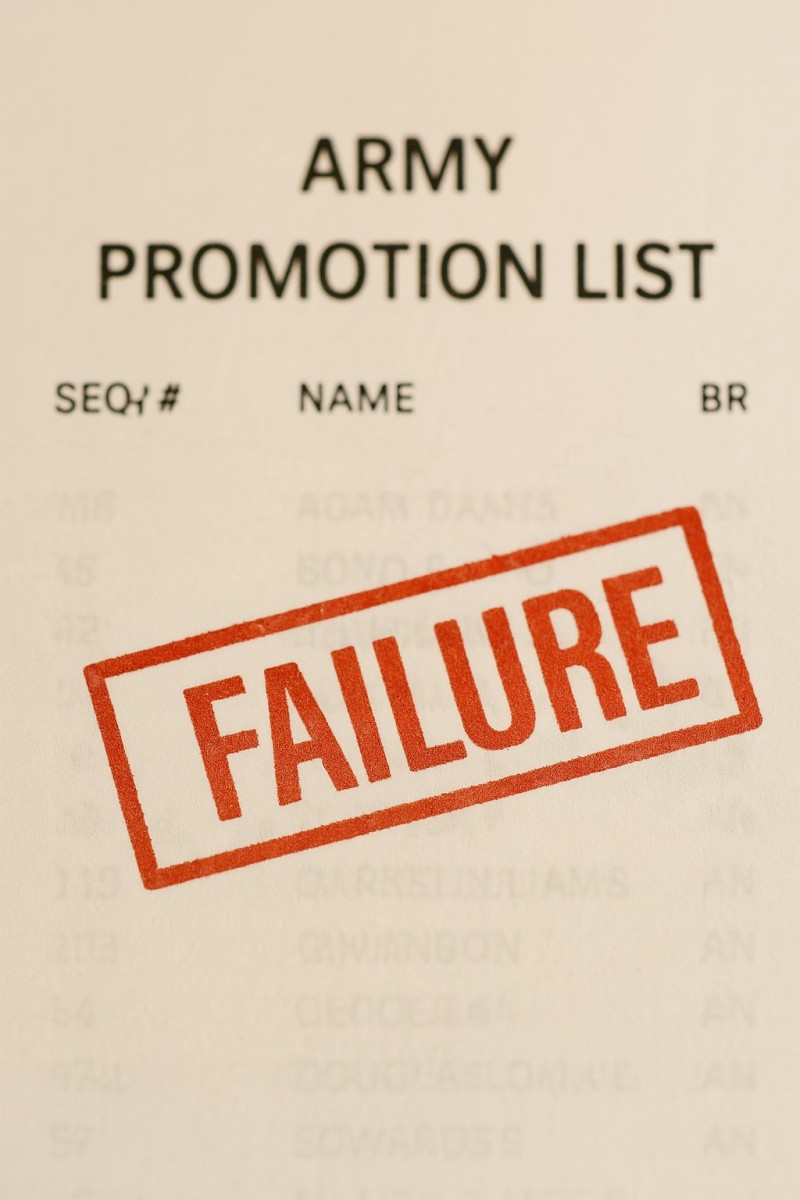
In early March 2023, I felt invincible. On March 30, mid-workout, I got a call from my battalion commander. I stepped outside, expecting congratulations for my promotion to Lieutenant Colonel. I don’t remember much of the conversation or how long it lasted. I do remember sitting on the curb, eyes closed, face in my hands, when the voice on the other end asked, “Did this news come as a surprise?”
I wasn’t selected for promotion.
Devastated doesn’t begin to describe how I felt. I wandered back into the gym, thinking I was holding it together—until a friend saw right through me. Before she could ask, I broke. I opened my mouth, but all that came out was sobbing. I left with little explanation.
Leaving the gym, I didn’t trust myself to speak to my wife without breaking down, so I sent her a text: “I didn’t get promoted. I am on my way home.”
Still in my sweat-soaked gym clothes, I crawled into bed. My daughters came in a few minutes later. My seven-year-old rubbed my back and said, “I’m sorry you got a bad grade at work.” My nine-year-old didn’t even pause—she launched into a typical story about what she ate for lunch and the latest third-grade drama. To them, it was like any other day.
I smiled along and pretended it was no big deal. But inside, I unraveled like never before.
In the nights that followed, I replayed every decision I’d ever made, searching for the exact moment I went wrong. I poured doubt onto page after page in my journal. After years of warning others not to tie their identity to the Army, I realized I didn’t know who I was without it.
In that fog, my people were there for me. My team at work showed me more patience than I deserved. Some days I couldn’t focus. Other days, I avoided eye contact altogether. I remember one meeting where I zoned out for five minutes calculating my chances of a future promotion. It wouldn’t have been a big deal, except that I was the primary audience, and it was then my turn to speak. It was an embarrassing reminder that I couldn’t muscle through this alone.
My trusted mentors—my informal Council of Colonels—offered steady, familiar wisdom: “Control what you can. Let go of the rest.”
It didn’t fix everything, but it gave me a place to start.
A mentor encouraged me to apply for a competitive position on the Army Staff. A month later, I walked into the interview with my confidence worn thin. Instead of masking it, I spoke honestly about my disappointment and my determination to keep showing up. That night, during another mid-workout phone call, I was offered the job. I should’ve been excited. But even the good news couldn’t silence the relentless voice in my head that whispered, “You’re a failure.”
For the next year, I buried myself in books and chased certifications—leadership courses, project management, anything to outrun the feeling of failure. Each new credential gave me a quick high, but it faded fast.
I convinced myself I was rebuilding. But I wasn’t growing; I was hiding.
I needed something that might shake me out of my funk—something personal, just for me.
After years of dreaming about it, I finally committed to a 100-mile bike ride. I wanted to finish something strenuous to prove to myself I was still in control. I trained for months and showed up ready to crush it. By the halfway point, it was pouring rain. It wasn’t until around mile 70 that I realized I’d spent the entire ride staring at my front tire and completely missed the scenic national wildlife refuge I was supposedly riding through.
After more than seven hours on my bike—soaked and shivering—I passed my warm, dry car with just one mile to go. I kept pedaling, convinced the finish line would be worth it. I turned the final corner expecting…something. Applause. An after-party. Maybe at least some snacks.
Instead, I rolled up just in time to watch the last crew guy fold the final table and toss it in his truck. He gave me a quick thumbs-up before driving off, like, “Why are you still here?”
Even in my miserable state, I couldn’t help but laugh. It was too ridiculous not to.
The bike ride tested me as expected, but it didn’t give me what I was looking for. Still restless, I set out the next month for another bucket-list challenge—a 60-mile solo hike on the Appalachian Trail. I hoped solitude would bring clarity.
I met a few hikers on the first night. We spent our days on the trail and our evenings swapping stories around a fire. By the fourth night, we were eating dinner together and laughing like we’d known each other for years.
After all that time trying to fix myself alone, it turns out connection—not solitude—was the reset I needed.
I didn’t finish the hike with some grand epiphany, and I can’t point to a single moment where everything clicked into place. It took slow, stubborn living for me to realize that I missed the entire bike ride by focusing on the finish line—and that I enjoyed the hike because, for once, I didn’t care where I ended up.
Only by letting go of outcomes, both personal and professional, have I started to feel like myself again.
Even now, two years later, I sometimes catch myself slipping into old ways of thinking. On those days, I remind myself that success isn’t found by obtaining a certain rank or title. It’s in the moments that matter—when I was invited to re-enlist a soldier, promote someone to Sergeant, or mentor a junior officer. It’s stepping away from my desk to watch my daughters sing in a concert. It’s in the trust of my boss, my team’s confidence, and the people who show up for me when I need them most.
In the military, we’re wired to chase the next promotion, the next assignment, the next opportunity. On that curb, with my head in my hands, I felt like everything I had built was slipping away. But I didn’t lose anything. Instead, I was forced to let go of a narrow, fragile idea of success.
In May 2025, I was selected for promotion to Lieutenant Colonel. Yes, I was excited. But the promotion didn’t bring the sense of validation I thought I needed. What brings me peace is knowing that I would be the same person without it. Don’t get me wrong, I wouldn’t wish my last two years of internal chaos on anyone. But I can confidently say I’m different—better—than I would’ve been if I’d been selected in 2023.
Now, I measure success by counting the people who count on me—and the people I can count on. I’ll always strive to grow and welcome a worthy challenge. But titles? They will never define me again.
Anthony Cannamela is married to his high school sweetheart, a clinical social worker who, to his relief, doesn’t charge him for counseling. Their two daughters keep him grounded—and frequently outsmarted. He serves as a Military Intelligence officer, focused on making a difference one relationship at a time.