By Joe Byerly
Do you believe you have a strong character?
Do you think you’re a highly competent leader?
Do you think you understand the full extent of your faults?
Do you think you can do a better job than the guy or gal currently in the role you have your eyes set on?
Power will quickly answer those questions for you.
Power is the great auditor.
As Tacitus wrote of the Roman Emperor Servius Galba: “When he was a commoner, he seemed too great for his station, and had he never been emperor, no one would have doubted his ability to reign.”
Like Emperor Galba, it doesn’t matter what others say about our abilities, or even what we believe about our own readiness for power. When he ascended to the throne, people quickly realized that while he projected competence and character, he didn’t possess them.
So they killed him.
In testing us, power strips away the tough talk, the ego, the bluster, and the projected confidence. It lays bare our character, our competence, and our faults.
Knowing this, shouldn’t we examine ourselves first? Shouldn’t we strive for self-awareness, so that when power comes, it doesn’t catch us off guard?
By doing so, we can uncover the gaps in our knowledge, recognize our tendencies, especially under stress and pressure, and take steps to control the vices that could undo us.
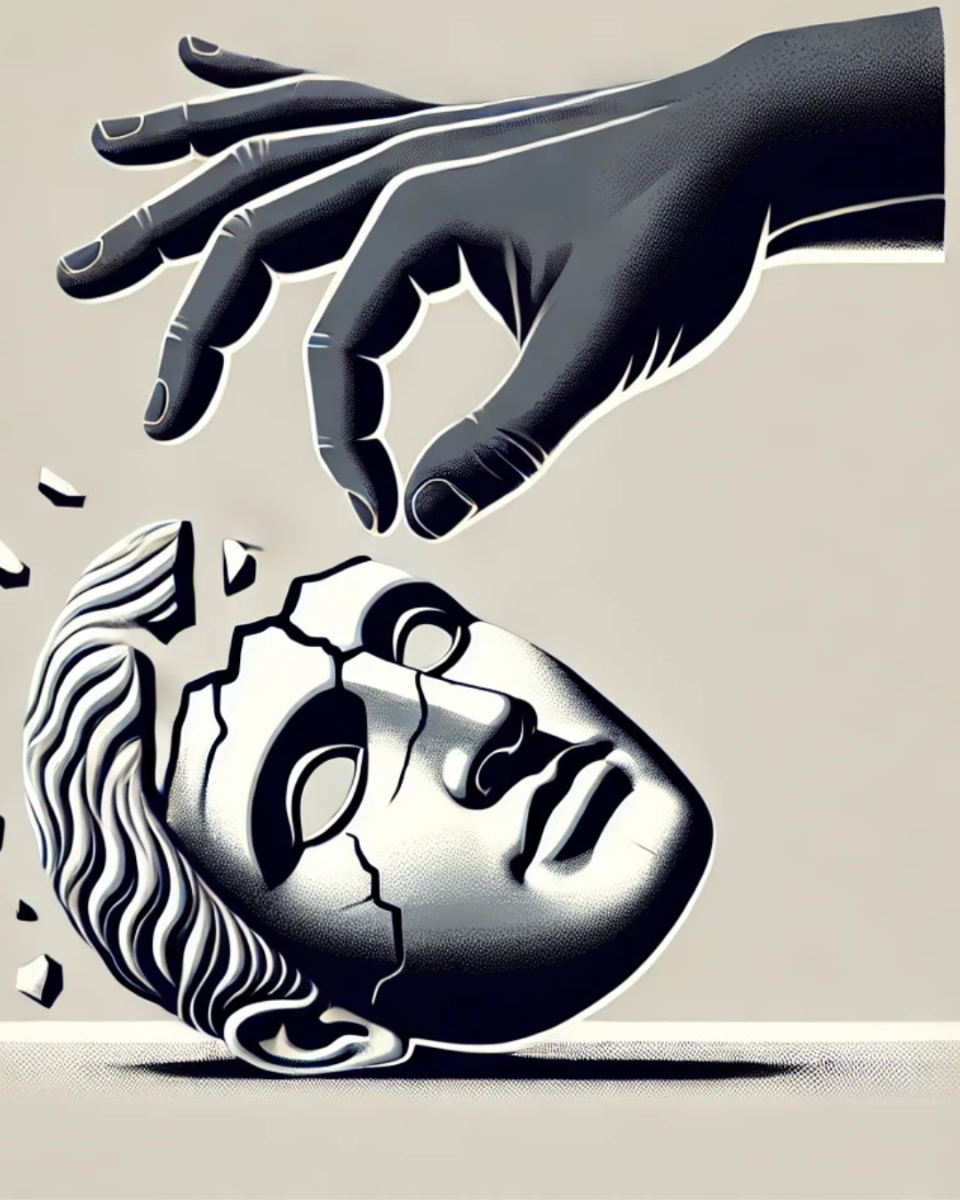
Plutarch, writing on leadership and power, compared us to empty jars, where power exposes the cracks:
“When jars are empty you cannot distinguish between those that are intact and those that are damaged, but once you fill them, then the leaks appear. Just so, cracked souls cannot contain political power, but they leak with desire, anger, boasting, and vulgarity.”
This is why aspiring leaders must make time for self-examination. Power will audit us regardless. Better to know where we stand before the test begins.
But self-examination won’t come easily.
Our ego, the part of us that craves power, will resist. It will push us toward outward pursuits rather than inward reflection. It is more concerned with appearing competent than with actually developing the skills necessary to handle power responsibly.
People might even encourage us, saying, “You would make a great leader!” or offering other ego-stroking affirmations. And if we’re not careful, we’ll believe them, choosing their words over the reality of what’s inside.
Daily demands will fight for our attention, making it easy to dismiss 10-15 minutes of quiet reflection as a luxury rather than a necessity. And worst of all, our ego will work to suppress our vices, obscuring their origins and preventing us from addressing them head-on.
But if we ignore them, power won’t.
So, don’t be like Emperor Galba, who was unmasked by power or Plutarch’s cracked jar, leaking with unchecked desires and flaws.
Examine yourself now, before power does it for you.
Do you believe you have a strong character?
Do you think you’re a highly competent leader?
Do you think you understand the full extent of your faults?
Do you think you can do a better job than the guy or gal currently in the role you have your eyes set on?
Joe Byerly is a retired U.S. Army Lieutenant Colonel with 20 years of service, including tours in Iraq and Afghanistan, and command of a cavalry squadron in Europe. He earned numerous prestigious awards, including multiple Legion of Merits, Bronze Stars, the Purple Heart, and General Douglas MacArthur Leadership Award. In 2013, Joe founded From the Green Notebook . A passionate advocate for self-knowledge through reading and reflection, he authored The Leader’s 90-Day Notebook and co-authored My Green Notebook: “Know Thyself” Before Changing Jobs, a resource for leaders seeking greater self-awareness. If this post resonated with you or sparked any questions, feel free to reach out to him at Joe@fromthegreennotebook.com.