by Josh T. Suthoff & Mikaya Dellorfano
The proliferation of small unmanned aerial system (SUAS) and personal cameras (i.e. GoPro) footage on the battlefield is a significant revolution in the study of the profession of arms. How do we leverage the thousands of hours of video in a meaningful way?
The answer is no different than what a coach and quarterback do after a big game: watch game tape. NFL superstar Tom Brady was well known for his deep film study of opposing teams, whether it be in the locker room with his team or on a flight back from a game on the road. The study of film in both sports and combat presents opportunities to understand challenges, identify emerging trends, and prepare efficiently.
Over the last year, the leaders of 3-4 Cavalry “Raiders”, 25th Infantry Division, guided by the Squadron’s intelligence section, utilized the footage to have a deeper and richer conversation on combined arms warfare. With an improvement mindset, we approached the violent and at times difficult footage to watch mindfully, improve professionally, and understand the rapidly evolving battlefield.
Due to combat operations across the globe, we now have hundreds of hours of film to study, dissect, and learn from to better prepare for the next conflict. First-person videos of urban close quarters combat between the Israeli Defense Force and Hamas add a layer of realism that cannot necessarily be replicated through a shoot house or training area village. While live fire and situational training are critical, the game tape video displays the chaos and sensory overload that often is difficult to replicate while training on friendly soil.

Watching combat footage as an organization affords servicemembers the opportunity to be a Monday morning quarterback, learning like Tom Brady. While this has positive and negative aspects, it ultimately fosters conversation about different examples of combat scenarios. What went well on this assault? How do we need to change our internal standard operating procedures? How well did this unit employ the tactical task being discussed? These are all questions that the Raider Squadron asks its Soldiers each month. By asking questions based on video, these exercises afford junior leaders an opportunity to understand what the execution of a tactical task—like the seizure of a town or securing an intersection—looks like in modern war. These prompts drive priceless conversations within the formation and stress the importance of knowing one’s profession and the brutality of war.
How It Started
In the spring of 2023, the Raider Squadron held its first game tape Leader Professional Development (LPD) centered on the conflict in Ukraine. The goal was to utilize social media videos to highlight lessons learned from the initial Russian incursion around Hostomel Airport in Kyiv and identify gaps in tactics, techniques, and procedures, as well as current U.S. Army doctrine. The use of this combat footage provided first-hand insights into the complexities of modern warfare in a saturated SUAS environment. The lessons we learned in this LPD enabled our units to better understand adversary maneuver and adapt their planning and tactics accordingly for the unit’s culminating training event—the Joint Pacific Multinational Readiness exercise in the fall of 2023. More importantly it ensured that tactical leaders were informed of near real-time changes on the battlefield.

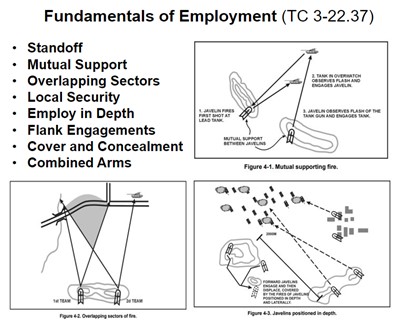
Since that first LPD, the Raider Squadron has covered a wide variety of subjects to include trench warfare, short range air defense, employment of indirect fires and targeting, anti-tank engagements, ambush tactics, engagement area development and weapons effects on the battlefield. Videos of anti-tank engagements in the fields of eastern Ukraine excellently illustrate the fundamentals of interlocking fields of fire, mutually supporting weapons systems, displacement, arming distance, and the importance of flank shots. Frequent social media platforms post videos of T-72s entering well developed engagement areas. These tanks often fail to transition from movement to maneuver and receive accurate direct and indirect fires. Likewise, anti-tank engagements in the Gaza Strip showcase alternative lessons such as the use of keyhole shots and the importance of local security in an urban environment. While many may watch these videos, 3-4 CAV takes it to the next level by asking the NCOs and junior officers to break it down. Where were the obstacles placed and what do you think their task was? What do you think was the trigger for engagement in this scenario? These videos are especially relevant for anti-tank teams, tank and Bradley crews. They provide real and relevant examples of possible scenarios both the attacker and defender may experience—a stark difference from the standard and “canned” sketches provided in Army doctrine.
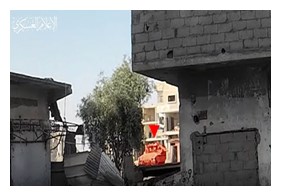
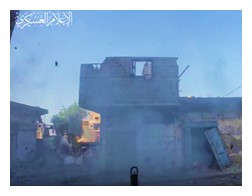
The Raider Squadron has refined its standard operating procedures regarding the forecasting of ammunition, specifically grenades, after reviewing a series of videos highlighting the large quantities of grenades that were essential to secure bunkers and clear trench legs. Several amputation videos from eastern Ukraine and the video of an ambush on U.S. Special Forces in Niger display the need to master simple skills such as applying a tourniquet and the implications of not achieving fire superiority before providing first aid. Based on this lesson, Raider Squadron medics increased focus on the importance of training for self-aid situations. The Squadron trained this during live fires and situation training scenarios by increasing the number of self-aid casualties assessed during training. This provided training opportunities for Squadron medics, ensured Soldiers could provide self-aid on the battlefield, and simulated the casualty back-flow dilemma that leaders must be cognizant of.
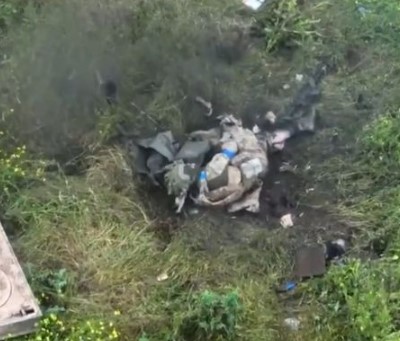
Game tape LPDs have also better enabled Soldiers to understand the practical employment of different types of fire missions. The Squadron showed videos of large, stationary, logistics nodes with poor concealment being attrited with linear fire missions. This displayed the impact that calling for the correct fire mission could achieve. Likewise, this also helped units to understand what kinds of signatures and footprints make them a target. While many Soldiers feel comfortable accomplishing these skills during sergeant’s time training, the use of game tape and discussion display the urgency needed to be able to apply these skills in difficult situations with dire consequences.
The Way Ahead
Raider game tape LPDs have grown over the past year to become more and more interactive with the audience. Moving forward, we will provide participants in the LPD a piece of terrain, an enemy order of battle, and a general scenario based on a video they will be shown. Audiences will then prepare their plan within a small group of their peers and then review, discuss, and share their views on videos from global conflicts to discuss aspects that they may or may not have considered in their plan. The real success of the LPD series has been the sharing of lessons learned between the Officers and NCOs of different MOS’s, units, and levels of experience.
Including the Intelligence Section
The game tape LPDs were developed by the intelligence staff section and nested with the training objectives of the Squadron Commander. This experience provided intelligence Soldiers with the opportunity to data-mine and digest hundreds of videos each month in preparation for the delivery of the LPD. The intelligence section has used the development of the LPDs as an opportunity to further develop analysts’ understanding of terrain analysis. Prior to the LPD delivery, intelligence analysts discuss at length the terrain effects on the situation in the video. The study of game tape enables analysts to better understand what restrictive terrain looks like on a real battlefield. While they have training on a map, videos better display how restrictive terrain affects the maneuver of formations. Game tape shows where formations can utilize keyhole engagements better than map analysis ever could. Analysts also further develop their understanding of the enemy commander’s intent. What was the Russian company trying to achieve in this assault? Does this mesh with their doctrine? What would reports of this video prompt in collection efforts? These questions provide context as analysts train the skill of determining threat courses of action. This context helps the intelligence section formulate a more coherent information collection plan. By creating a large number of LPDs, intelligence Soldiers now have a better understanding of the complexities of modern warfare.
Game Tape Analysis and Doctrine
While these game tape LPDs are centered on media-based learning, they are also heavily influenced and guided by current Army doctrine. Through the review and discussion of each video, leaders within the Squadron are often presented with current doctrine and then discuss the existing doctrinal gaps. This has been especially evident in the lack of U.S. Army publications on the employment of SUAS on the modern battlefield. Leaders in the room are encouraged to take the LPDs back to their respective echelons and conduct their own game tape reviews with their Soldiers.
NCOs have expressed that the game tape LPDs are useful in identifying bad habits, prompting ideas for squad- and team-level training, encouraging creativity in approaching problems, and providing increased situational awareness. Most Soldiers are accustomed to the PowerPoint saturation that typically occurs in LPDs. The Squadron has endeavored to change the baseline of how we learn in order to fit high-performing organizations’ attempts to reflect and improve. Interactive, media-based learning appeals to the visual learners of the millennial and Gen Z populations that comprise many of our junior NCOs and Officers. Most importantly, a junior NCO can replicate a game tape LPD with their smartphone or laptop, utilizing the easily accessible footage for a tactical “hip pocket” discussion.
The Bottom Line
The U.S. Army has no active duty members that have fought in ground combat of the scale and scope currently playing out in eastern Europe. Game tape allows us to close some of the experience gap. The study of combat footage is indispensable across all units and warfighting functions in modern warfare environments. As a profession, we must continuously study the changing tactics on the modern battlefield. As technology continues to evolve and the nature of warfare becomes increasingly complex, the importance of analyzing combat footage will only grow, ensuring that units remain agile, effective, and prepared to meet the challenges of the future battlefield. We have as much to learn from the present as we do from the past.
LTC Joshua Suthoff served as the commander of 3-4 CAV. He resides in Colorado with his wife and five children. CPT Mikaya Dell’Orfano served as the 3-4 CAV S2 and still serves in the 25th Infantry Division.