By Jamison Geracci and Jon Ayers
Many servicemembers know that during their military separation process, they should get checked to see if they suffer from sleep apnea. The benefits of this are twofold. First, the servicemember can be assigned a disability rating for their sleep condition and possibly receive more benefits upon separation. Second, and oft overlooked, the servicemember could get actual help to improve their sleep in the long term.
Unfortunately, for many servicemembers that seems to be the first and last time they take steps to address their wellness, unless faced with more dire circumstances—suicidal thoughts, obesity, diabetes, poor job performance, and failed marriages. As with most issues in the military, this issue can and should be traced back to leaders and their actions.
Everywhere you look in the military, you can find a senior NCO, company grade, or field grade officer that looks as if they have not slept or eaten in days. Most of the time their appearance is not deceiving.
The culture of leadership in the modern military has become host to a competition of: who can burn their candle the longest at both ends without it going out. But to what end? There is, without a doubt, a time and place to suck it up and endure. Places like Ranger School, Indoctrination, BUD/S, and actual combat come to mind. But it is unlikely that if questioned, one would claim the secret to our nation’s military greatness is poor habits of personal wellness among its leaders.
Though we do not proclaim to know the full solution, we feel it is important to help point out some of the ways which our great nation’s military leaders—both officers and NCOs—could take small steps to improve their own wellbeing. It is our hope that in doing so we might empower them to show their Soldiers, Sailors, Marines, and Airmen what “right” really looks like.
Defining Hygiene and Comprehensive Wellness
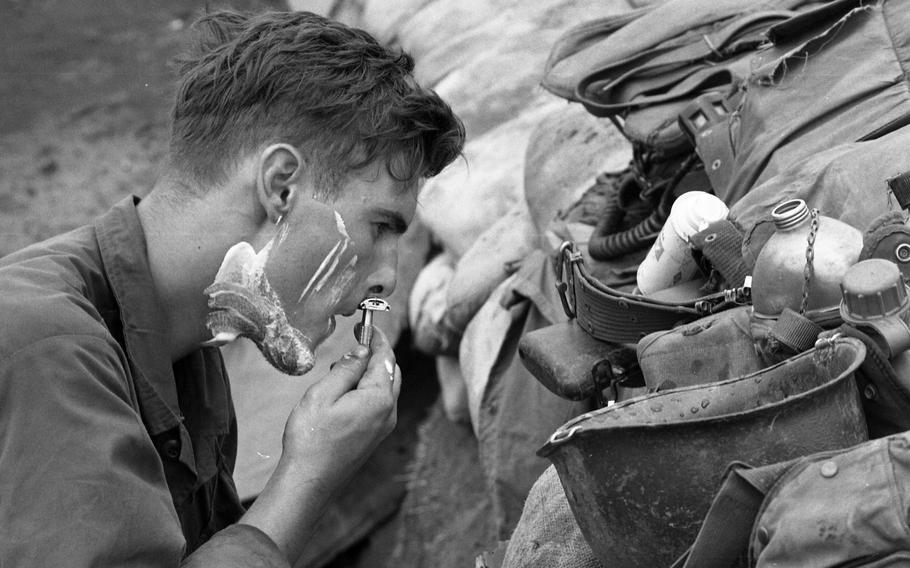
Personal hygiene means far more than a quick shower and shave or a wet wipe bath before putting on face paint. Five of the most critical aspects of hygiene or comprehensive wellness that leaders should focus on are:
- 7-8 hours of quality, restful sleep.
- A well-balanced and consistent diet that prioritizes whole foods and protein when available.
- Healthy amounts of exercise (to include maintenance and upkeep of one’s body).
- Finding ways to effectively manage stress: therapy, meditation, walking the dog, etc. Whatever works and whatever you will practice consistently.
- Quality and consistent hydration. This also means trying to limit things like excessive intake of caffeine, nicotine, and alcohol.
Why Focus on Leaders, Not Everyone?
While there is plenty of room for debate and nuanced takes on all five of the above-mentioned components of wellness, they are difficult to denounce as core components. They are not novel concepts and are, individually, easy to focus on improving. Yet when it comes to all five most American servicemembers seem to be failing in multiple areas. This is where the leaders come in.
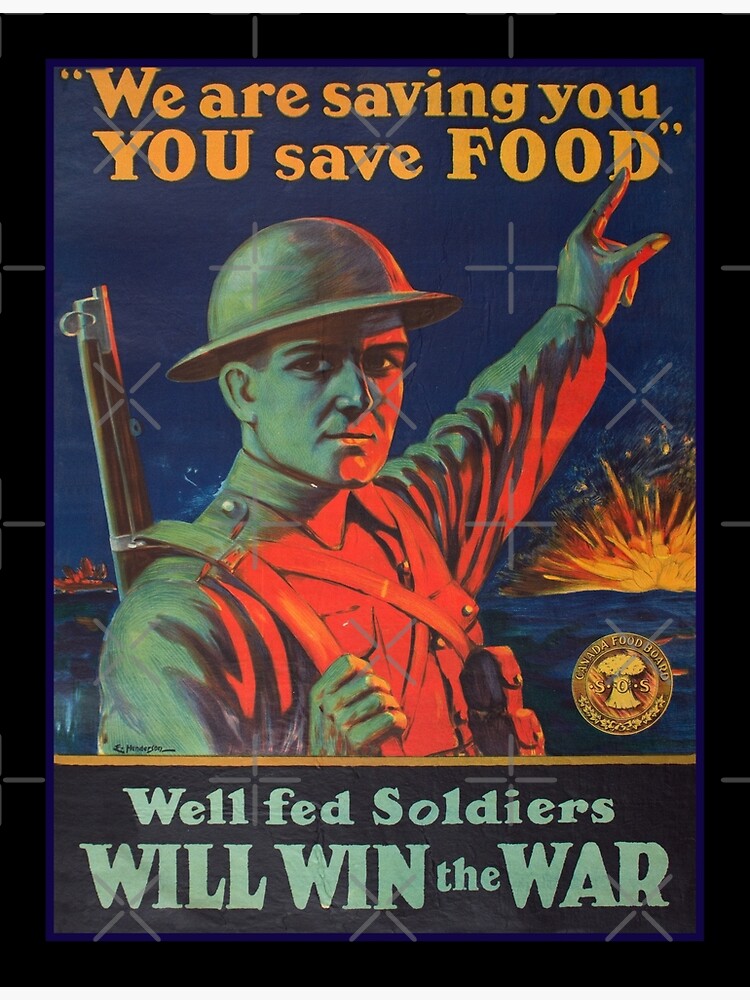
As far as we can tell, the U.S. military has placed some amount of focus on promoting healthy habits among servicemembers as far back as the first World War. Yet somehow, more than 100 years later, our servicemembers are as unfit and unhealthy as ever. Many people might claim that is the result of loose enforcement of mandatory physical training, but there are also deeper issues at play. Servicemembers are overeating, drinking heavily, consuming heinous amounts of nicotine and caffeine, hydrating very little, and sleeping far less than they should. All of these factors are serious contributors to poor health within the ranks.
An important question to ask is, where are they learning these habits? Is it from their parents? Did every single servicemember grow up in a home with parents who drank eight cups of coffee while chewing an entire can of Copenhagen before they skipped lunch to work on a PowerPoint presentation? Unlikely.
What is more likely is that beginning in their basic training and continuing all the way through their time as junior officers or junior enlisted, they saw almost every one of their leaders living like this. Unfortunately, many leaders in the military seem to carry around the bags under their eyes like a badge of honor—like it will teach their subordinates to work as hard as they do. While work ethic should be commended, why can we not also celebrate people who are productive while also maintaining their own longevity? Why is there a prescribed bedtime for Soldiers in basic training but leaders are not encouraged or required to get sufficient sleep during their continuing military education?
There is certainly no easy solution to the issues of overall hygiene and wellness in the military, especially with rigorous and demanding training calendars, overseas deployments, and surprise calls at all hours of the night. We are merely hoping that leaders can become more aware of the influence they have on their young Soldiers, Sailors, Marines, and Airmen when they choose to sacrifice their own personal wellness. Our Soldiers are always watching and if we practice good habits of diet, exercise, hydration, stress management, and sleep then they might just emulate those as well.
Jamison Geracci is a former Army Infantry Officer in the process of applying to medical school. He lives in Austin, Texas, with his fiancé Megan and their two dogs, Max and Millie.Jon Ayers is a recently separated Army Armor/Cavalry Officer. He just moved to Oklahoma City, Oklahoma, and started Without Compromise Fitness, a fitness and wellness coaching business focused on returning clients struggling with chronic pain to their active lives.